
When temperatures drop hard and fast, fire sprinkler systems can take a hit, especially in areas that aren’t well insulated or don’t see daily foot traffic. After a severe cold snap, a few quick daily checks can help catch small issues before they turn into major water damage or system impairments. Here’s what we recommend […]

Tag: NFPA

Vaping Indoors Can Trigger Fire Alarms. Here’s Why That Matters
Vaping, or e-cigarettes, has overtaken the use of smoking in young people aged 18 to 25 according to 2023 statistics. 15.5% of young adults reported vaping, with more than 4.7 million users in this age group. The FDA has reported a slight drop in the 2024 statistics, which is an encouraging trend. A European study […]
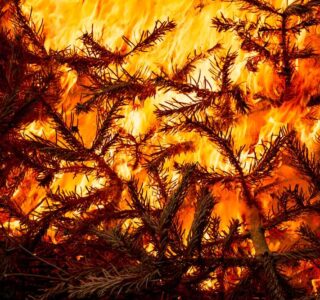
Don’t Let Fire Bring Tragedy to Your Holiday Season
In 2021, tragedy struck on Christmas morning as a rapidly moving fire made its way through a Philadelphia home, leading to the death of a father and two children. Authorities believe the lights on a dry Christmas tree started the deadly fire as the family slept in the early hours of the morning. Not more […]

Fire Safety Tips During Holiday Season
With the holiday season upon us, we are all looking forward to getting together with family and friends to celebrate. A fun tradition that we all enjoy doing is decorating for the winter holidays, but decorations can increase your risk of a fire at home. As you deck your halls, follow these few simple tips to help make your holidays fire safe.

The Importance of a Fire Alarm System in Commercial Buildings: Why Maintenance and Code Compliance Matter
When it comes to protecting lives and property in commercial buildings, few systems are as critical as the fire alarm system. Whether it’s an office complex, retail center, warehouse, or multifamily property, having a reliable, well-maintained fire alarm system is not just a smart investment, it’s a legal requirement that can save lives. Early Detection […]
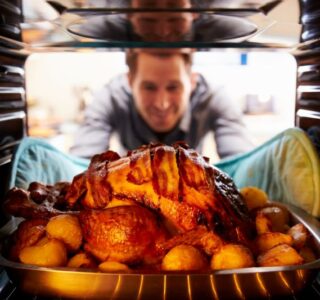
Keeping Cooking Safety Top of Mind This Thanksgiving
Article by Dale Grant – Marketing Specialist We all have Thanksgiving traditions that we look forward to. For some, it’s sitting down to enjoy New York’s iconic Macy’s Thanksgiving Day Parade. There are the more masochistic among us who will tackle an early morning 5k Turkey Trot or agonize over whether to root for the […]
Copyright 2026 OLIVER Fire Protection & Security. All rights reserved.
Created by: Design Data Concepts, LLC