
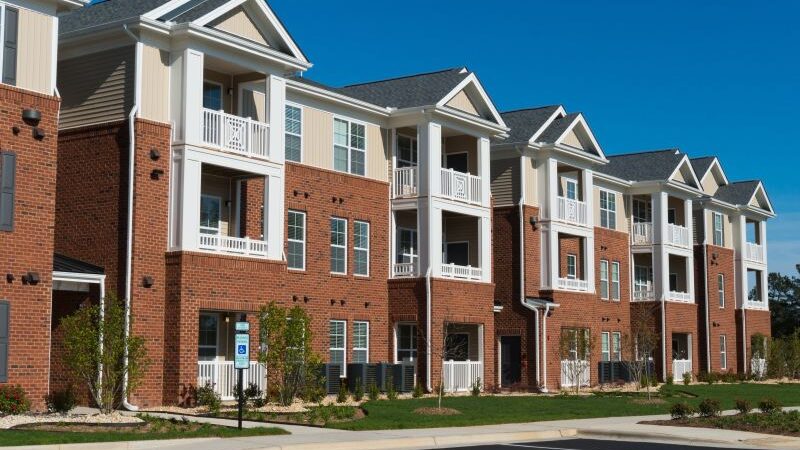
Apartment complexes are dynamic environments. They house dozens and sometimes hundreds of residents. They rely on the property management team to keep the building safe, compliant, and operational. One of the most critical and often misunderstood responsibilities in this process is fire and life safety inspections. Understanding what these inspections involve, why they matter, and how to choose the right inspection partner can make a major difference in safety, compliance, and long-term cost control.
What Inspections Really Mean for Apartment Complexes
Fire and life safety inspections go far beyond a quick walkthrough or checking boxes for compliance. For apartment complexes, inspections typically include systems such as fire alarm systems, sprinkler systems, fire extinguishers, emergency lighting, and other life safety components required by code. These systems are designed to work together in an emergency, and a failure in one area can compromise the entire building.
Regular inspections help ensure these systems are functioning as intended and meet local and national code requirements. They also identify small issues before they turn into expensive repairs or serious safety risks. In many jurisdictions, inspections are not optional, as they are mandated by code and enforced by the Fire Marshal. Missing an inspection or allowing deficiencies to go unaddressed can result in fines, violations, or even increased liability for property owners and managers.
Why Listening to Your Inspection Representative Matters
Inspection representatives are often seen as just another vendor, but the best ones act more like advisors. A knowledgeable inspection rep understands not only the codes but also how those codes apply to real-world apartment communities. When they point out deficiencies, trends, or upcoming requirements, it’s not to create work—it’s to help you stay ahead of problems.
Property managers who take the time to listen to their inspection reps gain valuable insight into the condition of their buildings. For example, an experienced rep may notice recurring issues across multiple buildings, signaling aging equipment or deferred maintenance. Addressing these patterns early can help with budgeting, capital planning, and avoiding emergency repairs that disrupt residents.
Ignoring or minimizing inspection feedback can have the opposite effect. Small, correctable deficiencies can compound over time, leading to larger system failures, failed re-inspections, or increased scrutiny from fire officials. In the worst cases, overlooked issues can contribute to unsafe conditions during an actual emergency.
Choosing the Right Inspection Company
Not all inspection companies are created equal. Choosing the right partner is about more than price; it’s about trust, consistency, and expertise. The right inspection company will be familiar with local codes, fire marshal expectations, and the unique challenges of multifamily properties. They should be able to clearly explain findings, prioritize issues, and provide practical recommendations without overwhelming you with technical jargon.
Transparency is another key factor. A reputable inspection company will document deficiencies accurately and fairly, avoiding both underreporting and unnecessary overstatement. This helps property managers make informed decisions and confidently communicate with ownership groups.
Equally important is continuity. Working with a company that understands your portfolio year over year allows for better recordkeeping, trend analysis, and smoother inspections. When inspectors are familiar with your properties, inspections become more efficient and less disruptive to residents.
Why It Matters to the Industry as a Whole
At an industry level, strong inspection practices contribute to safer communities and higher standards across multifamily housing. When property managers partner with knowledgeable inspection professionals, compliance becomes proactive rather than reactive. This reduces risk not just for individual properties, but for residents, first responders, and the surrounding community.
In an environment where codes evolve and buildings age, collaboration between property managers and inspection companies is essential. Inspections should be viewed as an investment in safety, longevity, and professionalism, not just a regulatory obligation.
Fire and life safety inspections are a critical part of managing apartment complexes effectively. By understanding their importance, listening to experienced inspection representatives, and choosing the right inspection partner, property managers can protect residents, reduce risk, and maintain compliance with confidence.
If you’re looking for guidance or have questions about your inspection responsibilities, reaching out for expert insight can make all the difference. Contact Oliver today to schedule a consultation and start a conversation focused on safety, clarity, and long-term success.

Article by Michael Kochick
Inspections Sales