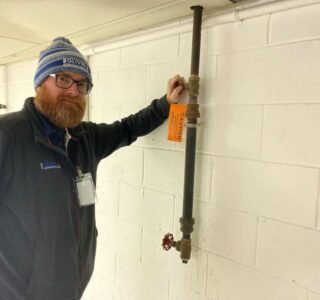
As temperatures begin to drop and the seasons change, proper maintenance of low point drains on dry sprinkler systems becomes critical for ensuring the safety and reliability of fire protection systems in cold environments. Dry sprinkler systems, commonly used in areas subject to freezing temperatures, are designed to keep water out of the pipes until […]

Tag: Sprinkler systems
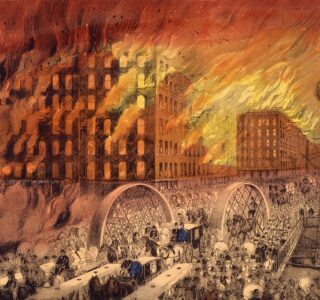
Fire Prevention Week: A Little History
Article by Dale Grant Fire Prevention Week is observed annually during the week of October 9th to commemorate the Great Chicago Fire of 1871. This devastating event, which began on October 8th, resulted in the deaths of over 250 people, left 100,000 homeless, and destroyed more than 17,000 structures. While many have heard the story […]
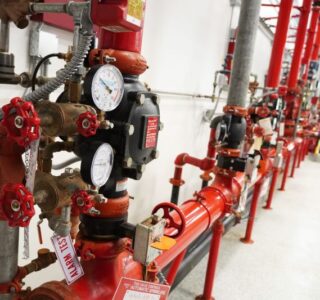
Dry Sprinkler Systems and Sprinkler Heads
Article by Joe Mackley – Senior Account Manager Unlike a wet sprinkler system, which is filled with water, a dry sprinkler system is filled with pressurized air, supported by an air compressor. When heat opens a sprinkler head, the loss of air pressure in the piping causes a special dry valve to open, or “trip.” […]
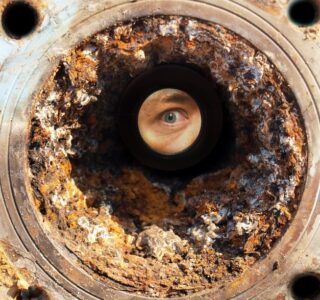
The 10 Most Common Problems Found During a 5th Year Inspection (and What Causes Them)
by Dale Grant Fire sprinkler systems are the unsung heroes of building safety, and like any hard-working system, they need regular checkups to stay in top condition. That’s where the 5th Year Inspection comes in—a more thorough, once-every-five-years inspection that can catch issues you might not see in the annual checkups. Plus, if you’re in […]
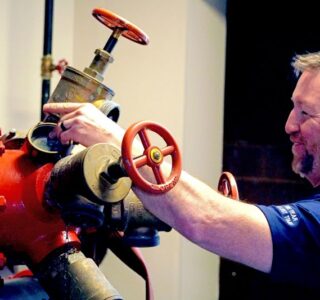
What is a 5th Year Sprinkler Inspection?
by Lars Mascera Keeping your fire sprinkler system in top condition isn’t just good practice, it’s a requirement. A fifth-year inspection is a comprehensive internal check of your fire sprinkler system(s), as referenced in NFPA 25. It occurs every five years to ensure your sprinkler system is functioning properly and in-line with required fire safety […]
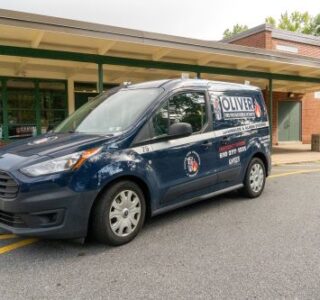
The Need for Life Safety Systems in Schools and Their Ongoing Monitoring and Maintenance
Ensuring the safety of students and staff is a top priority for schools, and a major part of that is having effective fire alarm and sprinkler systems in place. But just having these systems isn’t enough—they need to be regularly inspected, properly maintained, and monitored 24/7 to truly protect everyone on campus. Here’s why these steps are so important and how they can make a big difference in keeping schools safe.
Copyright 2026 OLIVER Fire Protection & Security. All rights reserved.
Created by: Design Data Concepts, LLC