
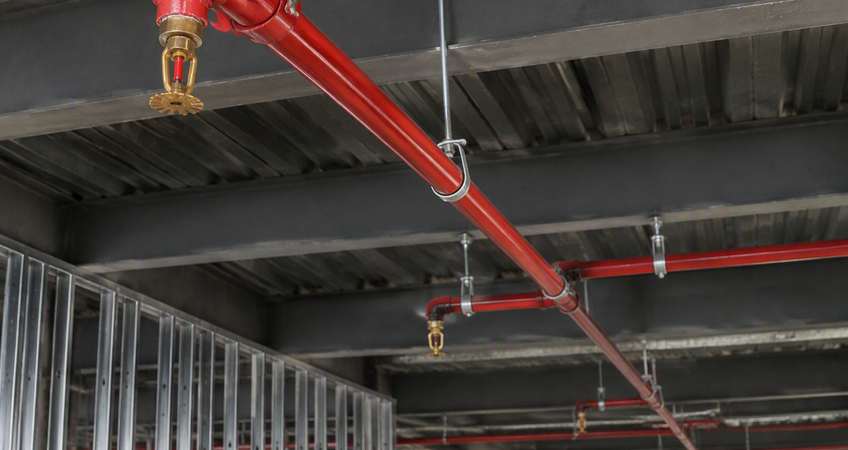
Fire sprinkler work is easy to overlook when putting together a commercial renovation budget. A project may start out as “just a few walls and a new ceiling,” but those changes can affect the fire protection system, project schedule, and overall cost.
For general contractors, property managers, and building owners, planning for sprinkler work early can help avoid unexpected costs and delays.
1. Assuming Existing Sprinklers Can Stay As-Is
A common mistake is assuming the existing sprinklers will work with the new layout.
New walls, ceilings, soffits, lighting, and HVAC duct work can affect sprinkler coverage and spacing. Changes to how a space is used can also affect the type of sprinkler protection required.
For example, converting office space into storage or adding high-density storage may require changes to the existing sprinkler system.
Plan Ahead: Have the sprinkler contractor review the proposed layout early to determine whether existing sprinklers can remain or if modifications will be required.
2. Forgetting About Design, Permits, and Inspections
Sprinkler work can involve more than just relocating sprinklers.
Depending on the project and local requirements, you may need shop drawings, hydraulic calculations, permits, plan reviews, and inspections.
These items can add both cost and time to a project if they aren’t considered upfront.
Plan Ahead: Confirm design, permit, and inspection requirements with the owner and Authority Having Jurisdiction (AHJ) early so they can be included in the project schedule and budget.
3. Overlooking Temporary Fire Protection
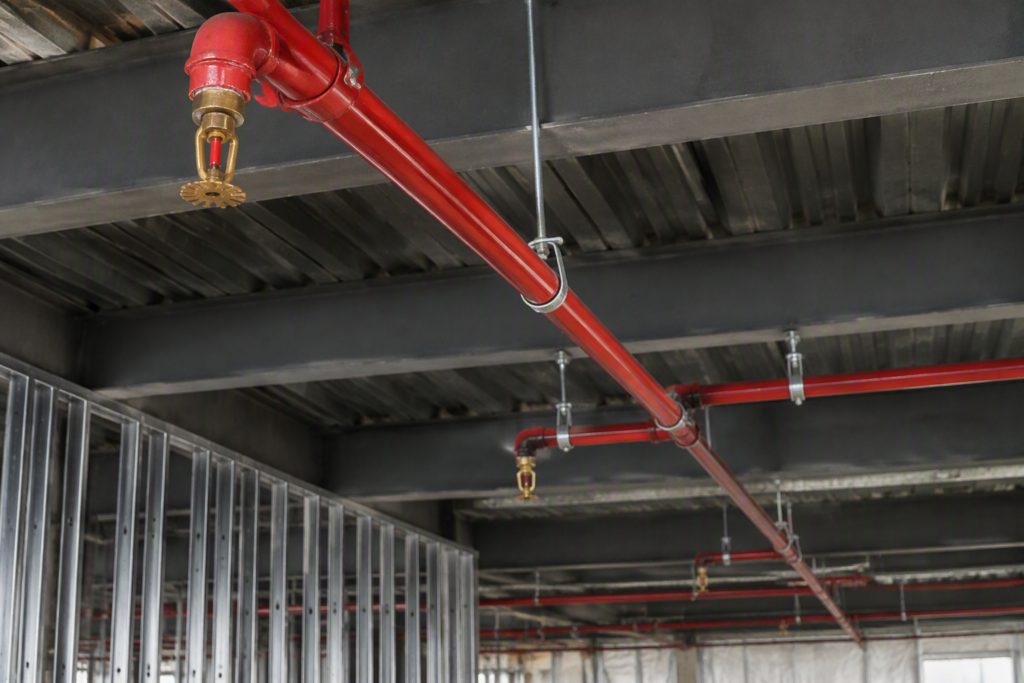
Renovations can require portions of the existing sprinkler system to be shut down while ceilings or other building components are removed.
Depending on the project, owner requirements, and AHJ requirements, temporary protection may be needed. This could include a fire watch, temporary sprinklers, temporary heat detection, or other approved measures.
Plan Ahead: Discuss planned sprinkler shutdowns before demolition so temporary protection and fire watch requirements can be addressed in advance.
4. Underestimating Phasing and Extra Trips
Commercial renovations often happen in phases, especially when the building remains occupied.
Multiple phases can mean additional mobilizations, system shutdowns, inspections, and after-hours work. These costs can add up quickly.
Plan Ahead: Share the construction schedule and phasing plan with the sprinkler contractor before pricing the work.
5. Waiting Until Construction Starts
Waiting until construction is underway to involve the sprinkler contractor can lead to change orders and schedule problems.
Early involvement allows the sprinkler contractor to review the plans, evaluate the existing system, identify potential modifications, and coordinate with other trades.
It also gives the owner and general contractor a better understanding of the actual fire protection costs before construction begins.
Plan Ahead and Avoid Costly Surprises
Fire sprinkler work doesn’t have to be a last-minute issue on a renovation project.
Getting the sprinkler contractor involved during planning can help identify potential system changes, permitting requirements, temporary protection, and scheduling concerns before they become problems.
For general contractors, property managers, and building owners, a little coordination early can help prevent unexpected costs and keep the project moving.
Planning an upcoming commercial renovation? Reach out to our Oliver Fire Protection & Security team for a pre-construction plan review or site walk-through before finalizing your budget.

Article by: Phillip Brandenburger
Daywork Department Sales Representative