

When it comes to fire protection, what you don’t see can hurt you. It’s not just the sprinkler heads or control panels, it’s what’s happening inside the pipes, the joints, the valves, and the connections hidden behind walls and ceilings. That’s where hydrostatic testing comes in.
Hydrostatic testing is essentially a pressure test for your system’s backbone. Technicians pressurize specific sections with water to see how the system holds up under stress, checking for leaks, pressure drops, corrosion, blockages, or any signs of internal wear that could compromise performance. It’s like a stress test, but for pipes. No leaks? No weak spots? You’re golden.
When it comes to Fire Department Connections (FDCs), this testing is especially critical. That exterior hookup point is what fire crews rely on during an emergency. Hydrostatic testing ensures the piping between the FDC and the internal sprinkler or standpipe system is solid—no cracks, no corrosion, no guessing. If it fails during a fire, the whole system could fall apart when you need it most.
Here’s how the process works:
- The section of piping from the FDC to the check valve is isolated.
- It is filled completely with water, making sure all air pockets are eliminated.
- The line is then pressurized to 150 psi, or at least 50 psi above the system’s normal pressure, and held for two full hours.
- During this time, technicians monitor for leaks, pressure loss, or any signs of damage.
Common Issues Found During Hydrostatic Testing
Corroded or Damaged Piping
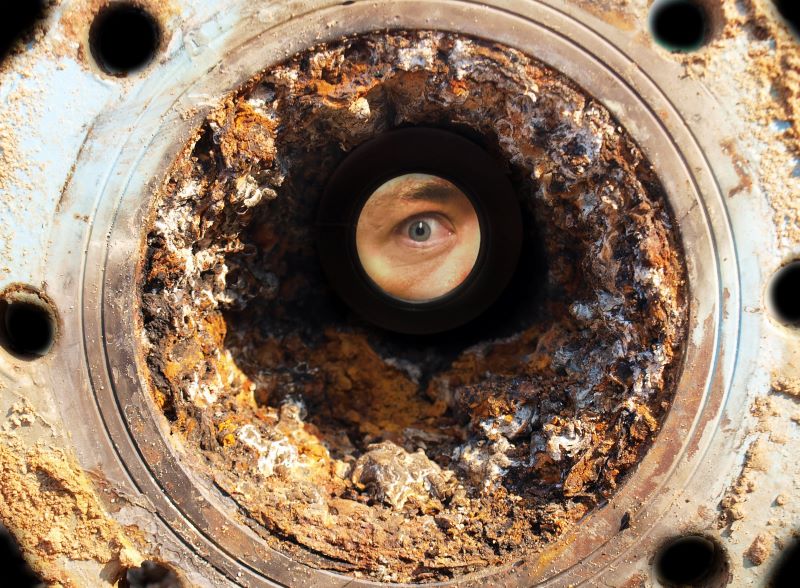
Over time, moisture, chemicals, and environmental factors can cause pipe interiors to rust or degrade. Corrosion weakens the pipe walls, making them more prone to leaks or, worse, catastrophic failure under pressure. In extreme cases, it can even restrict water flow, delaying sprinkler activation during a fire.
Loose Connections
Even a slightly loose fitting can turn into a major problem under high pressure. These weak points are notorious for slow leaks that go undetected until a pressure test—or worse, an actual emergency—exposes them.
Leaks at Joints
Joint leaks often show up at threaded or welded connections and can indicate poor installation, thermal expansion, or aging materials. Even minor leakage at a joint during a pressure test means the system may not deliver water where it’s needed fast enough during a fire event.
Debris or Foreign Objects in the Line Over time, foreign material such as dirt, scale, or even construction debris can build up inside the piping. Blockages reduce water pressure and flow, delaying or preventing sprinkler heads from activating properly. In a fire, that delay could be the difference between minor damage and a full-blown catastrophe.
Hydrostatic testing isn’t guesswork. It’s required under NFPA 25 and must be performed every five years. Most facilities wisely schedule it alongside other routine five-year inspections to stay compliant and proactive.
So no, it’s not just another inspection item to tick off a clipboard. It’s your system’s pressure check. It’s peace of mind. And when lives are on the line, the pressure test isn’t just smart, it’s essential.

Article by Carl Marek
Service Sales Representative