
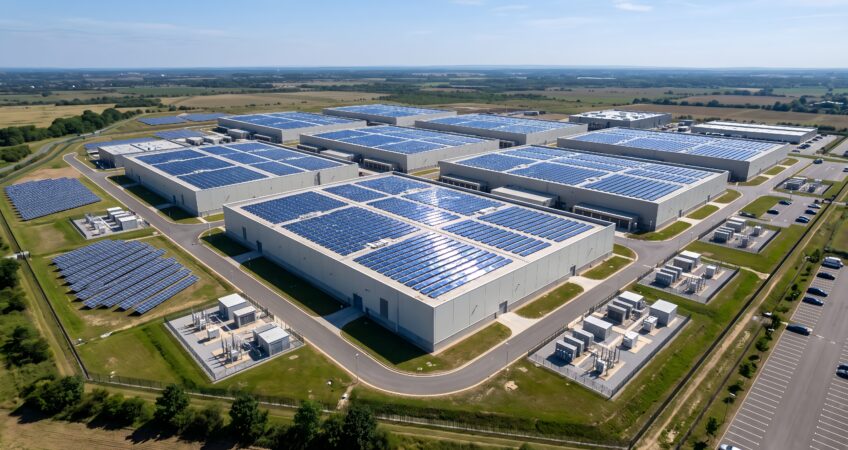
The infrastructure of data centers which is powering our digital future, demands an equally sophisticated approach to protecting it.
Removing Opinion from the Equation
Data centers have become one of the most discussed developments in modern infrastructure. As artificial intelligence accelerates, cloud computing expands, and the demand for digital connectivity continues to grow, these facilities are appearing in communities across the United States at an unprecedented scale.
Their development has generated considerable public discussion. Questions surrounding electrical demand, water consumption, land use, infrastructure investment, and community impact have become central to conversations about where and how these facilities should be constructed.
These are legitimate considerations, and they deserve thoughtful evaluation. However, when examining the life safety and property protection requirements of a data center, there is an important distinction to make.
Regardless of how anyone feels about data center development, the science of fire does not change. Neither do the fundamental principles of fire protection.
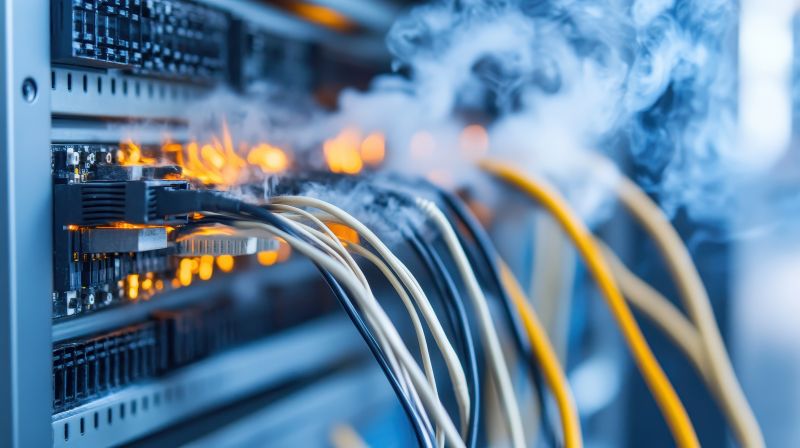
Electricity generates heat. Electrical equipment can fail. Cooling systems can malfunction. Batteries can experience thermal runaway. Combustible materials can ignite. And even within facilities engineered with extraordinary levels of redundancy, the possibility of fire cannot be completely eliminated.
These are not opinions. They are engineering realities. Whether you are for or opposed to the building of these data centers, the fact remains that they will all need proper fire protection once erected to keep the facilities safe and operational.
That protection requires more than conventional thinking about fire sprinklers and fire alarms. It demands an understanding of high-density electrical environments, sophisticated cooling technologies, energy storage systems, early-warning detection, emergency response, and the unique challenges of maintaining operational continuity in facilities designed to function around the clock.
For data center owners, developers, engineers, and the communities surrounding these investments, comprehensive fire protection represents far more than a regulatory obligation. It is an essential component of infrastructure resilience, personnel safety, asset preservation, and business continuity.
As data centers grow in size, power consumption, and complexity, the fire protection industry has a responsibility to evolve alongside them. The question is no longer simply whether these facilities require fire protection. The more important question is whether the protection being designed today is sufficient for the risks these facilities will face tomorrow.
Data Center Growth and Consumption
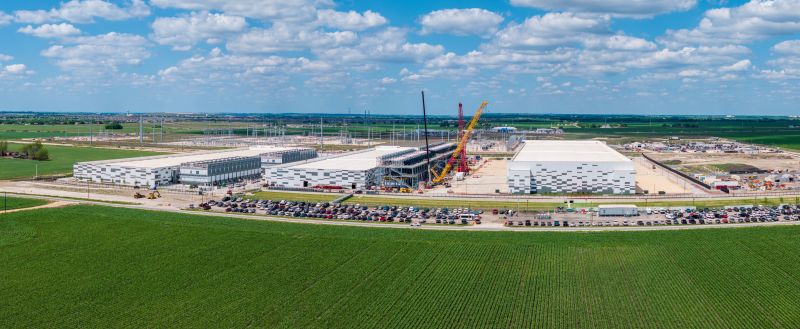
To appreciate the importance of fire protection in modern data centers, we need to understand the magnitude of their expansion as well as the growth of adjacent industries which aid in the maintaining of their output.
Data centers are not simply buildings filled with computers. They are highly engineered facilities supporting financial transactions, healthcare systems, communications networks, manufacturing operations, government services, artificial intelligence, and countless other digital applications. Their continued development is closely connected to the growing dependence of businesses and individuals on reliable digital infrastructure. And the numbers illustrate just how quickly that dependence is increasing.
- U.S. electricity demand forecast 11.8%
- Projected data center share of national electricity consumption by 2030
- Construction underway 7,481 MW
- Data center capacity under construction across eight primary North American markets
- Annual construction growth 24.8%
- Year-over-year increase in capacity under construction,
- Committed future capacity 80%+
- Share of capacity under construction already pre-leased in primary markets
Sources: Lawrence Berkeley National Laboratory, June 2026; CBRE North America Data Center Trends, August 2026.
According to research published by Lawrence Berkeley National Laboratory in June 2026, U.S. data centers could consume approximately 649 terawatt-hours of electricity annually by 2030 under the study’s reference scenario. That represents approximately 11.8% of projected total U.S. electricity consumption. The report’s broader scenarios range from 521 to 843 terawatt-hours, or 9.5% to 15.3% of national consumption.
These projections are significant not only because of the energy involved, but because of the infrastructure necessary to deliver, distribute, build, manage, and protect it.
Commercial real estate firm CBRE reported that the eight primary North American data center markets had 7,481 megawatts of capacity under construction during the first half of 2026, an increase of 24.8% from the previous year. More than 80% of that capacity had already been pre-leased. Click Here for the CBRE full report.
An important distinction must be made when discussing construction, a 10-megawatt enterprise data center and a 200-megawatt hyperscale campus may perform similar digital functions, but their electrical distribution, cooling requirements, building footprints, and potential fire exposure can be dramatically different. Therefore, fire protection planning, electrical capacity and facility configuration often provide more useful information than building counts alone. This distinction matters because every expansion in capacity introduces additional infrastructure that must be evaluated for fire risk.
A fire protection contractor can produce a master plan to gain valuable insight at the budgeting stage of this process. This plan will assess what the final scheduling timeline, permit procurement, phase build-out, and associated costs will be for the fire protection and security systems required to maintain and run your facilities as well as produce a guidebook for planning boards, executive meetings, and related building committees.
The Electrical Reality: Continuous Power, Continuous Risk, Continuous Protection
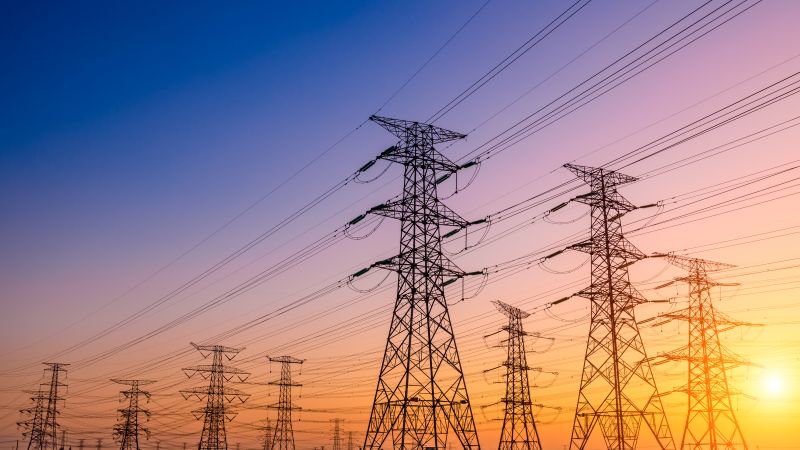
Electricity is the lifeblood of a data center. Unlike conventional commercial buildings, where electrical demand fluctuates throughout the day, data centers operate under substantial electrical loads around the clock. Thousands of servers, networking devices, cooling systems, and supporting components depend on a continuous supply of power, often operating 24 hours a day, 365 days a year.
Consider a hypothetical 100-megawatt data center operating at full capacity. Over a single year, that facility could consume approximately 876 million kilowatt-hours of electricity. Delivering that amount of power requires an extensive network of substations, transformers, switchgear, power distribution units, uninterruptible power supplies (UPS), backup generators, and countless electrical connections.
Each component is engineered to handle specific electrical loads. However, continuous operation places enormous importance on equipment condition, proper load management, thermal performance, and preventive maintenance. Over time, electrical connections can loosen, insulation can deteriorate, cooling components can malfunction, and equipment can develop faults. When electrical demand exceeds a component’s rated capacity, excessive current can generate dangerous heat. This is where fire detection and automatic fire suppression become indispensable layers of protection.
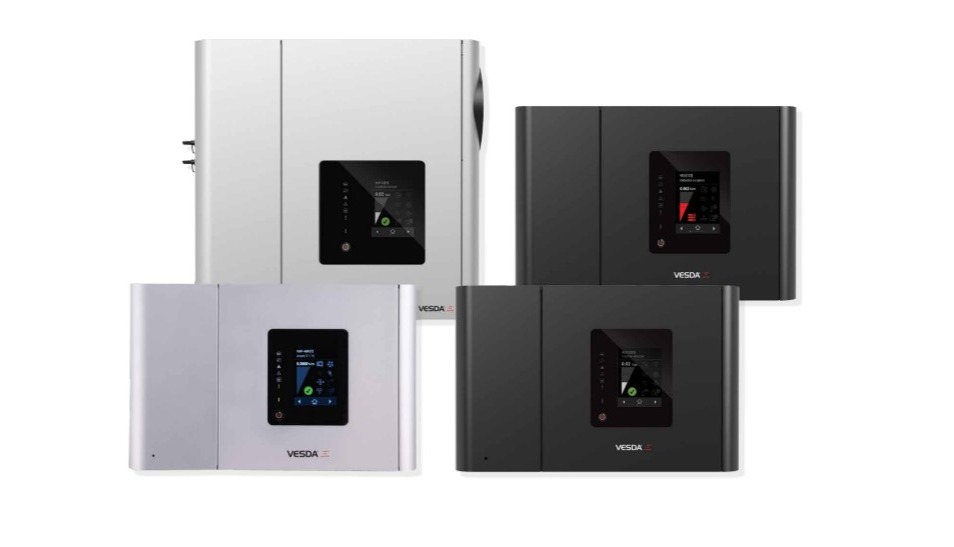
Modern fire alarm systems can provide early warning when an electrical fault begins producing smoke or other detectable signs of combustion. In critical electrical and equipment spaces, very early smoke detection systems (VESDA) can identify extremely small concentrations of airborne combustion particles, potentially alerting facility personnel before a developing fire becomes extensive. Addressable fire alarm systems can identify the affected area, notify operators, and initiate approved protective sequences, including equipment isolation or other emergency control functions where specifically designed.
Should an electrical failure progress into an actual fire, properly designed automatic sprinkler systems provide another critical safeguard. Depending on the hazards and equipment involved, wet-pipe, pre-action, or specialized water-based suppression systems can control fire growth, limit its spread, and help protect adjacent equipment and infrastructure. In particularly sensitive environments, clean-agent suppression may provide an additional layer of protection, subject to the limitations of the agent and the hazard being protected.
Importantly, fire sprinklers are not intended to correct overloaded circuits, and fire alarms do not replace electrical protective devices. Instead, these systems provide essential protection when preventive measures are insufficient and an electrical malfunction begins developing into a fire emergency.
As you can clearly see, the increased demands of these new data centers, will inevitably require infrastructure improvements to adjacent power stations and equipment in order to sustain the desired output and longevity. Fire protection should not be an afterthought and should instead be a proactive upgrade to prepare for this increased demand.
Consider this, a fire originating in an electrical distribution room could compromise equipment serving multiple data halls. Smoke contamination could affect sensitive electronics far removed from the original incident. Damage to critical power infrastructure could interrupt operations even if the servers themselves remain untouched.
This is where advanced fire protection technologies such as VESDA (Very Early Smoke Detection Apparatus) and Victaulic’s Vortex water-mist fire suppression systems become invaluable. VESDA systems continuously sample the air for microscopic smoke particles, providing exceptionally early warning of developing fire conditions, often before smoke becomes visible. This early detection gives facility operators an opportunity to investigate and respond before a minor electrical fault escalates into a significant fire. Should ignition occur, specialized suppression technologies such as Vortex hybrid water-mist systems offer another layer of protection, using a combination of fine water droplets and nitrogen to suppress flames while minimizing water discharge in sensitive environments. Together, these technologies demonstrate how modern fire protection can move beyond simply responding to a fire toward identifying threats early, controlling their consequences, and helping preserve the operational continuity of mission-critical data centers.

Building Confidence Through Proactive Fire Protection Planning
The continued growth of data center infrastructure creates an opportunity for owners, developers, and fire protection professionals to work together earlier and more collaboratively.
Rather than treating fire protection as a late-stage construction requirement, developers can benefit from involving qualified fire protection specialists during initial planning and design.
Early involvement with a fire protection contractor allows project teams to:
- Evaluate water supplies
- Identify equipment hazards
- Provide advanced suppression options
- Preplan alarm integration
- Assess code requirements
- Provide a budget for the fire safety systems
- Supply a schedule/timeline/phasing for construction
It also supports better coordination among architects, electrical engineers, mechanical engineers, fire protection engineers, general contractors, equipment manufacturers, and authorities having jurisdiction.
This collaboration becomes particularly valuable when projects involve phased construction.
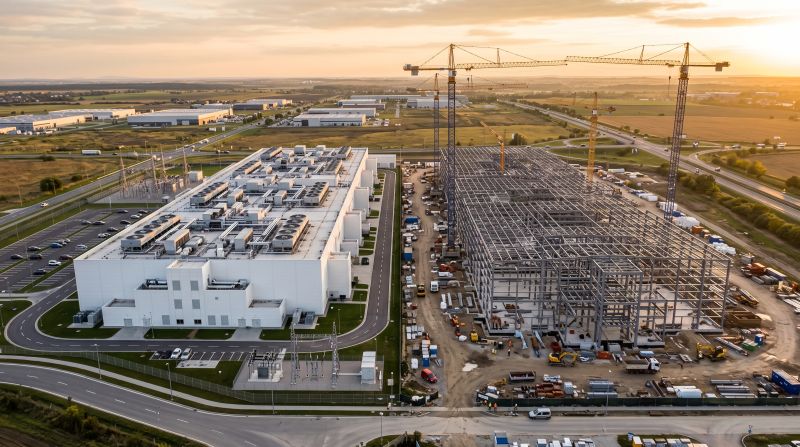
A hyperscale campus may be developed over several years, with additional buildings, power infrastructure, and computing capacity introduced as demand increases.
The fire protection infrastructure must be capable of supporting the approved development plan while remaining practical to operate, inspect, and maintain.
Future expansion should not compromise the reliability of systems already serving occupied portions of the facility.
Ultimately, fire protection is most successful when it is incorporated into the overall engineering strategy rather than treated as an isolated building system.
For data center developers, this proactive approach will
- Support regulatory coordination
- Reduce redesign risks
- Improve operational preparedness
- Prepare proper budget allocation
- Demonstrate a commitment to responsible infrastructure development
Protecting the Infrastructure of Tomorrow
The hard truth is Data Centers are becoming increasingly important to the operation of modern society. They support the technologies businesses rely upon, the services communities use, and the digital systems that continue to transform how people work, communicate, and live. Their expansion is inevitable and well on its way and they will require significant investment in electrical generation, transmission, distribution, cooling technology, and supporting infrastructure.
It cannot be forgotten or ignored that they will also require careful planning to ensure that facilities can operate safely, reliably, and in coordination with the communities around them.
Public conversations about data center development will continue, as they should. Responsible infrastructure planning benefits from informed discussion, technical evaluation, and collaboration.
But regardless of where those conversations lead, one fundamental reality remains. When a data center is constructed, its fire hazards must be understood, its personnel must be protected, the staff must be educated and its critical infrastructure must be safeguarded.
Fortunately, the fire protection industry possesses an extensive range of technologies, engineering practices, and established standards capable of addressing these hazards. NFPA standards exist to protect people property and products and can be accessed through their website: https://www.nfpa.org/for-professionals/for-business#topics. NFSA – National Fire Sprinkler Association also has resources like EOD (Engineer of the Day), Resource Libraries, guides and reports to help make educated decisions on fire safety technologies for your facility. The challenge is selecting and integrating these technologies in a manner appropriate to each facility’s unique risks.
As data centers become larger, more powerful, and more sophisticated, the approach to fire protection must continue to advance alongside them. The goal is not simply to protect buildings filled with computers, it is to protect the people who operate them, the infrastructure that supports them, the customers who depend on them, and the communities in which they are built.
The digital future requires dependable infrastructure. Dependable infrastructure requires proper protection.
And that protection begins long before the first server is powered on.

Article by: Lawrence Mascera
Director of Marketing