
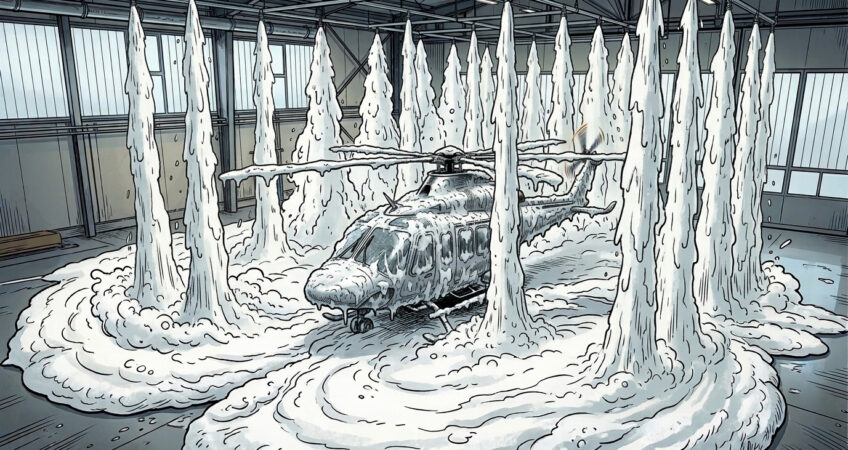
Foam fire suppression systems are specialized fire protection systems designed to rapidly control and extinguish fires involving flammable liquids and high-hazard materials. Unlike standard sprinkler systems that rely solely on water, foam systems discharge a mixture of water, foam concentrate, and air to create a thick blanket that suppresses flames, cools surfaces, and prevents the release of flammable vapors. These systems are widely used in industries where combustible liquids pose a significant fire risk, including aviation hangars, petrochemical processing, fuel storage facilities, marine terminals, military installations, warehouses, and industrial manufacturing plants.
Foam Fire Suppression Systems: Types and Applications
Foam systems are commonly classified into several categories based on their application and method of discharge. Low-expansion foam systems are the most widely used and are typically installed in fuel storage tanks, aircraft hangars, and loading racks. These systems produce dense foam that spreads across the fuel surface to smother the fire. Medium-expansion systems generate larger foam volumes and are often used in enclosed spaces such as warehouses and ship holds. High-expansion foam systems create extremely large foam volumes for total flooding applications, making them ideal for tunnels, mines, and large industrial hazards.
Another important distinction is between fixed foam systems, which are permanently installed and automatically activated, and mobile foam systems, which are portable units used by emergency responders for manual firefighting operations.
AFFF and PFAS Considerations
Historically, one of the most common foam agents used in Class B fire protection has been Aqueous Film Forming Foam (AFFF). AFFF became popular because it could quickly spread across hydrocarbon fuel fires and form a vapor-sealing film that effectively prevented reignition. However, traditional AFFF formulations contain per- and polyfluoroalkyl substances (PFAS), often referred to as “forever chemicals.” PFAS compounds are highly persistent in the environment and do not naturally degrade over time.
Research has linked PFAS exposure to a range of potential health impacts, including cancer, thyroid disease, liver damage, immune system effects, and reproductive issues. PFAS contamination has been identified in groundwater and drinking water supplies near airports, military bases, fire training facilities, and industrial sites where AFFF was regularly used.
Industry Transition to Fluorine-Free Foam
Due to these growing environmental and health concerns, governments and regulatory agencies around the world are increasingly restricting or phasing out PFAS-based foams. Many organizations are now transitioning from AFFF systems to Synthetic Fluorine-Free Foam (SFFF or F3) systems. Fluorine-free foams eliminate intentionally added PFAS chemicals while still providing effective fire suppression performance for many industrial applications. The Federal Aviation Administration and the Department of Defense have both initiated major programs to transition to fluorine-free foam alternatives for aircraft rescue and firefighting operations.
Converting Existing Foam Fire Suppression Systems
Converting existing AFFF systems to SFFF systems is becoming a critical priority for facility owners and fire protection professionals. The transition process typically involves draining and disposing of existing foam concentrates, removing tanks and piping to prevent PFAS contamination on new components, recalibrating proportioning equipment, and testing system compatibility with the new foam agent.
While fluorine-free foams may require some system modifications, they significantly reduce the long-term environmental liability associated with PFAS contamination. As environmental regulations continue to tighten, replacing legacy AFFF systems with modern SFFF technology represents both a responsible environmental decision and an important step toward safer, more sustainable fire protection practices.
Partnering With Fire Protection Professionals
Facilities still operating legacy AFFF systems should work with experienced fire protection professionals to evaluate their current equipment and develop a compliant transition strategy. Oliver Fire Protection & Security provides foam system inspections, retrofits, and replacement services to help organizations safely transition from PFAS-containing AFFF systems to modern fluorine-free SFFF solutions. Their team can assist with system assessments, foam concentrate changeovers, and ensuring compliance with evolving industry regulations and standards.

Article by Gary Hana
Sales Estimator