
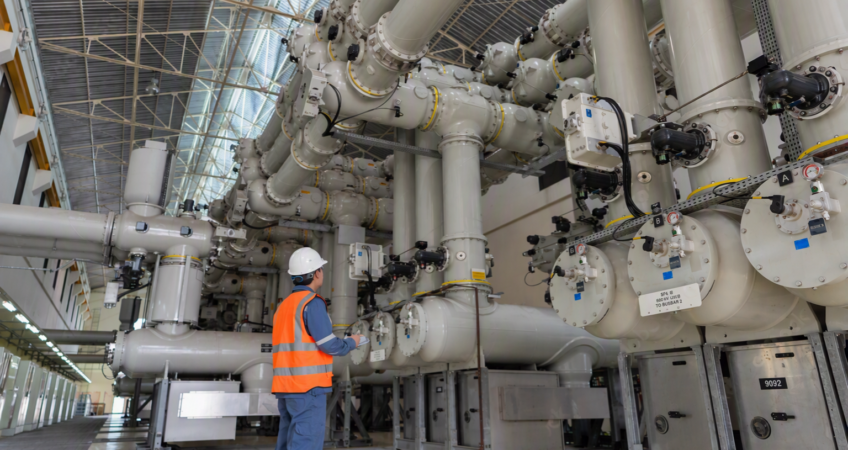
Gas Insulated Substations (GIS) are widely used by utilities and industrial facilities because they provide a compact, reliable, and low-maintenance solution for high-voltage electrical distribution. While GIS technology offers many operational advantages, it also introduces an important safety consideration: the potential for oxygen-deficient atmospheres within enclosed buildings.
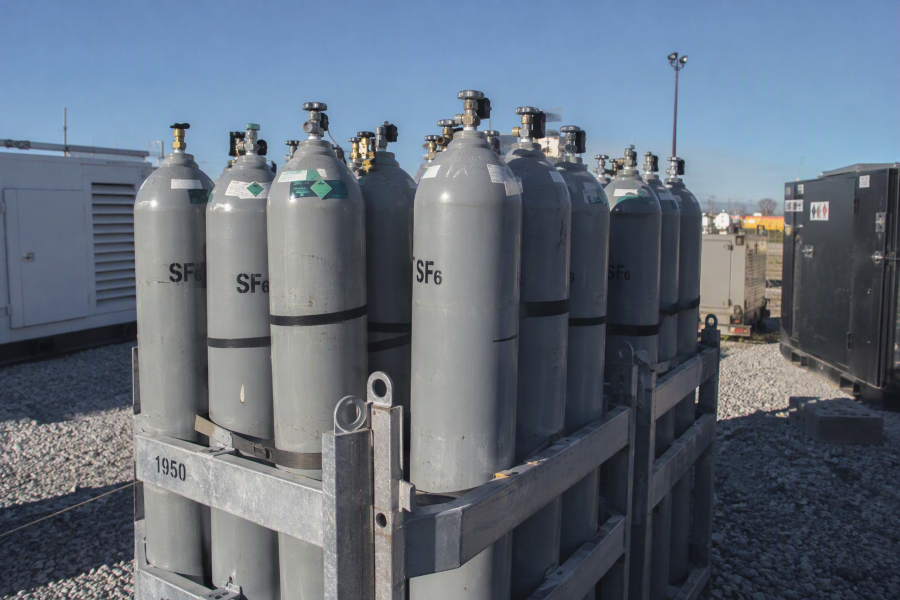
Most GIS installations utilize sulfur hexafluoride (SF6) gas as an insulating and arc-quenching medium. SF6 is non-toxic and non-flammable under normal conditions; however, it is significantly heavier than air. In the unlikely event of a leak, the gas can accumulate in low-lying or poorly ventilated areas and displace oxygen. Because SF6 is colorless and odorless, personnel may not recognize a hazardous atmosphere before entering the space.
An oxygen deficiency monitoring system provides continuous surveillance of indoor air quality and serves as an early warning mechanism. By measuring oxygen concentration in real time, the system can alert personnel when levels begin to fall below safe thresholds. Audible and visual alarms allow workers to evacuate or investigate conditions before they become dangerous.
Beyond protecting workers, oxygen monitoring supports compliance with recognized safety practices and demonstrates a proactive approach to risk management. Facilities that incorporate continuous monitoring, alarm annunciation, and integration with building ventilation systems can significantly reduce the likelihood of exposure to hazardous atmospheric conditions.
Modern monitoring systems are highly reliable and can be configured to activate multiple alarm levels, notify building management systems, and trigger ventilation responses automatically. This layered protection is especially valuable in unmanned or infrequently occupied substations, where a gas leak might otherwise go undetected for an extended period.
Including oxygen deficiency monitoring in a GIS building is a relatively small investment compared to the potential consequences of an undetected gas release. By providing continuous protection for personnel and enhancing overall facility safety, oxygen monitoring is an essential component of a well-designed Gas Insulated Substation.
Let us know if we can help with an engineered oxygen deficiency monitoring or fire alarm system proposal, for your facility.

Article By: Tom Santo Salvo
Sales Representative FASEC Install