
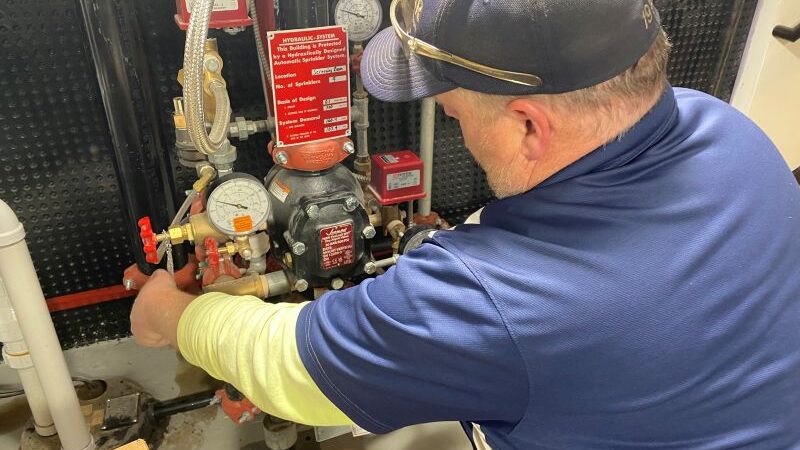
Fire protection inspections are a critical part of keeping buildings safe, compliant, and operational. Most property owners and facility managers take these inspections seriously and want to do the right thing. Still, after my time in inspections and service, I have noticed a pattern: the same issues tend to be overlooked again and again.
These misses are rarely intentional. More often, they happen because buildings evolve, priorities shift, or inspection reports are viewed as a formality rather than a tool. Understanding what commonly gets missed and why it matters can help property owners reduce risk, avoid repeat deficiencies, and improve overall safety.
Accessibility Issues That Develop Over Time
One of the most frequent inspection findings involves blocked or inaccessible fire protection components. Sprinkler heads, control valves, fire department connections, and alarm devices may all start out compliant, but over time they can become obstructed.
Storage gets added. Furniture is rearranged. Renovations happen. Temporary solutions become permanent without anyone noticing the impact on life safety systems.
Why it matters: If a sprinkler head or valve cannot function properly during an emergency, the system may not perform as designed. Accessibility issues are also among the most common reasons inspections fail, leading to re-inspections and delays that could have been avoided.
What helps: Periodically walk your space with a life safety mindset. Ask whether anything has changed since the last inspection that could affect access or clearance.
Valves That Are Not Fully Open or Properly Supervised
Another common issue is control valves that are partially closed or not properly monitored. This often happens after maintenance work, tenant improvements, or system testing, when a valve is adjusted and never fully returned to its original position.
Why it matters: A closed or partially closed valve can severely limit water flow in the event of a fire. In many cases, the system is technically there, but it will not perform when it is needed most.
What helps: Make valve status checks part of routine building oversight, not just inspection day. Supervisory devices and valve identification should be maintained and understood by on-site staff.

Documentation That Is Incomplete or Outdated
Inspection tags, reports, and impairment logs are sometimes treated as paperwork rather than essential records. Missing tags, outdated reports, or unclear documentation are common findings, especially in properties with multiple systems or long histories.
Why it matters: Accurate documentation is critical for compliance, insurance reviews, audits, and internal accountability. When records are incomplete, it is difficult to know what was tested, what was repaired, and what still needs attention.
What helps: Keep inspection reports organized and accessible, and take time to review them. A good report should be something you can reference throughout the year, not just file away.
Changes to Building Use That Affect System Design
Buildings do not stay static. Storage heights increase, spaces are repurposed, and occupancy types change. Unfortunately, fire protection systems do not automatically adapt to those changes.
Why it matters: Systems are designed based on specific assumptions. When those assumptions change, such as higher storage or different materials, the system may no longer provide adequate protection.
What helps: If your building use changes, bring it up during inspections or service visits. These conversations can identify potential issues early and prevent costly corrections later.
Treating Inspection Reports as a Pass or Fail Test
Perhaps the most overlooked opportunity is how inspection results are used. Too often, reports are viewed simply as a list of deficiencies to clear rather than insight into how a system is aging and performing.
Why it matters: Repeated deficiencies often point to underlying issues that need a broader solution. When reports are reviewed thoughtfully, they can guide maintenance planning and budgeting instead of creating recurring surprises.
What helps: View inspections as part of an ongoing safety strategy. Ask questions, look for patterns, and use the information to plan ahead.
A More Proactive Approach
Fire protection inspections are most valuable when they are treated as a partnership rather than a checkbox. The goal is not just to pass. It is to ensure systems will perform when lives and property are on the line.
By staying engaged, keeping systems accessible, and using inspection findings as a planning tool, property owners can improve safety, reduce disruptions, and gain greater confidence in their buildings’ fire protection systems.

Article by Tim Nolan
Business Development Representative